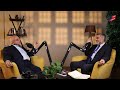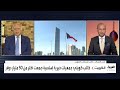



What does Trita Parsi say?
trita parsi is a political analyst and american writer of iranian descent and zoroastrian faith. he was born in ahvaz in 1974 to a dissident family. his father was imprisoned during both the shah’s rule and later under khomeini’s rule.
the family fled to sweden , and from there he moved to the united states , where he co-founded a washington-based think tank that advocates for a less interventionist us foreign policy.
he also founded the national iranian american council and holds a phd in international relations from johns hopkins university.
fukuyama and brzezinski were among his mentors. he is known for his writings on iranian-american-israeli relations, including “the treacherous alliance: secret deals between israel, iran, and the united states” and “one throw of the dice,” about obama’s diplomacy with iran. his books are widely cited.
in his book “the treacherous alliance,” parsi argues that israeli-iranian hostility is primarily driven by geopolitical shifts and power dynamics, rather than fixed ideologies or religions. according to this view, state policies are shaped mainly by strategic interests, while ideology plays a secondary role.
parsi believes that the major transformations in israeli-iranian relations, from cooperation under the shah to outright hostility under the islamic republic, coincided with significant changes in the regional order, rather than purely religious shifts.
the history of tacit cooperation between israel and iran is long. parsi describes the shah’s iran and israel as an “alliance,” given that they were both non-arab, prowestern states cooperating against common arab adversaries.
under the shah, iran cooperated with israel on security and economic matters, including intelligence sharing, joint support for iraqi kurds, oil deals, missile programs, and israeli training of iranian forces. relations were severed with khomeini’s rise to power in iran, which adopted a strongly anti-zionist stance. iran subsequently tolerated and dealt with israel when it served its own interests, as illustrated by the irancontra affair.
parsi argues that iran’s support for palestinian militant groups was partly a means of gaining influence, rather than purely an act of ideological solidarity. with the end of the gulf war and the collapse of the soviet union, israel and iran emerged as two major powers competing for regional influence.
he contends that israeli governments, particularly since 1992, have actively worked to portray iran as a global existential threat, driven by the need to establish a central source of threat to solidify their relationship with the united states.
parsi states that israel has thwarted iran’s attempts at rapprochement with the united states, despite instances of iran’s cooperation with israel on issues such as hostages in lebanon and afghanistan.
from his academic website, parsi wrote an article about the fragile ceasefire agreement, outlining iran’s conditions:
■ a us commitment to guarantee non-aggression against iran
■ continued iranian control of the strait of hormuz
■ acceptance of iran’s uranium enrichment
■ lifting all sanctions imposed on iran
■ lifting of sanctions imposed on parties cooperating with iran
■ cancellation of all un security council resolutions targeting iran
■ cancellation of all iaea resolutions concerning its nuclear program
■ payment of compensation to iran
■ withdrawal of us forces from the region
■ a ceasefire on all fronts, including lebanon
parsi noted that the us did not agree to the aforementioned conditions, but their mere existence as a basis for negotiations constitutes a diplomatic victory for tehran, especially given the recognition of iran’s continued control over the strait of hormuz during the ceasefire.
parsi predicted the failure of the upcoming talks in islamabad between the two sides, arguing that trump’s backing away from the use of force has undermined the credibility of his military threats. while acknowledging that trump can still brandish the threat of force, he is no longer in a position to dictate terms.
parsi believes any agreement must be based on genuine compromises, which requires diplomacy, patience, and discipline - qualities not typically associated with trump.
he also suggests that other powers, such as china, may need to join the negotiations. the sustainability of the ceasefire will depend on trump’s ability to prevent israel from undermining the diplomatic process, especially after senior israeli officials described the agreement as a political disaster.
parsi argues that even if the talks collapse, and even if israel resumes its bombardment of iran, trump will not necessarily return to war. there is no reason to believe a second round of war would produce a different outcome, or that it would not once again leave iran in a position to hold the global economy hostage.
parsi asserts that this war was a strategic mistake. instead of accelerating regime change, it gave the regime a new opportunity to survive, similar to how saddam hussein’s war in 1980 helped consolidate khomeini’s power.
i believe that, in any case, the region will remain unstable as long as the iranian regime continues its hostile policies.