
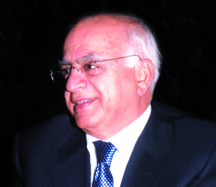


The quiet & powerful envoy
my acquaintance with my friend, ambassador suleiman al-fassam (abu talal), began at the home of our late friend, khalid abdul latif al-shaya. our meetings continued for several years until the sudden passing of our host, and the twists and engagements of life gradually separated us.
abu talal was a serious man who rarely smiled and spoke very little. when he did speak, it was with wisdom, precision, and dignity, qualities shaped by his character and honed through his long and distinguished diplomatic career.
brother suleiman al-fassam’s career in diplomacy began after completing his training at the indian diplomatic institute, sabur house. he was first assigned to jeddah, where the saudi ministry of foreign affairs was located, as king faisal preferred it over the capital, riyadh. two years later, he was transferred to washington, d.c. he then served as consul in dubai before being posted to south yemen, where he was eventually appointed ambassador to the socialist republic.
his nine-year tenure in yemen was perhaps the most tumultuous and remarkable period of his diplomatic career, and arguably the most challenging. abu talal witnessed firsthand the complex tapestry of yemeni society, observing conflicts between leaders of the south and north and their endless struggles for power. he also witnessed the activities of palestinian organizations and the infighting among members of the same party, all competing for power.
after two years as ambassador in this chaotic and turbulent country, abu talal left south yemen to assume his post as kuwait’s ambassador to jordan. this period was perhaps the most delicate, and possibly the most dangerous, of his diplomatic career. the government, the majority of jordanians, and many palestinians were opposed to kuwait.
in his memoirs, ambassador alfassam recounts his interactions with king hussein, accurately describing the king’s personality and his skill in thwarting all coup attempts against his rule, whether by ba’athists or nasserists. jordan’s support for iraq’s invasion of kuwait and its backing of saddam hussein strained al-fassam’s relationship with both the jordanian leadership and the jordanian people. he recalls an incident in which king hussein interrupted him during a speech at a meeting with arab ambassadors and left the meeting in anger after al-fassam strongly refuted jordan’s false claims.
ambassador al-fassam also recounts his meeting with king hussein on february 26, 1991, following the liberation of kuwait, when the king requested the restructuring of relations between the two countries. however, shortly thereafter, kuwait decided to withdraw its ambassadors from all opposing countries, most notably jordan.
the diaries of my friend suleiman al-fassam are rich and truly worth reading, offering valuable insights into history. it is regrettable that so few kuwaiti ambassadors have taken the time to document their experiences for posterity.
al-fassam’s experiences, along with those of other ambassadors, demonstrate that the prestige and warm welcome an ambassador receives, wherever they go, represent only the positive side of the role. in reality, diplomacy is a demanding profession that requires extensive experience, skill, understanding, and the ability to act appropriately in the most challenging circumstances.
an ambassador represents their country’s leader before the leader of the host nation. therefore, they must choose their words carefully, think before speaking, and know when to remain silent.